
If you’re considering Dubai’s rapidly evolving areas like Dubai Islands or Dubai South for your next real estate investment, you’re already ahead of the game. But savvy investors like yourself understand there’s more to the story than glossy brochures and impressive promises. As Joarli and I always emphasize, successful investing involves three-dimensional research—taking into account not only the project’s potential but also hidden factors like noise levels and surrounding infrastructure.
Noise pollution probably isn’t the first thing on your mind—but perhaps it should be. Especially when talking about locations such as Dubai Islands and Dubai South, noise levels can significantly impact both lifestyle quality and property values. While both regions are currently experiencing substantial hype, our careful research has uncovered important noise-related factors that could influence your investment decision.
Let’s dive deeper into Dubai’s official guidelines and why noise matters more than you might initially think.
Dubai Municipality Guidelines for Controlling Noise
Dubai is committed not only to impressive growth but also to maintaining a high quality of life for its residents. According to the Dubai Municipality’s Technical Guidelines for Requirements of Controlling Noise at Entertainment Areas, strict noise control measures must be adhered to by developers and businesses—particularly in entertainment areas that could affect nearby residential zones.
Here’s a quick overview of key requirements:
- Strategic Location: Entertainment establishments should not be adjacent to residential properties.
- Soundproofing: Developers are required to install effective soundproofing materials to contain noise within venues.
- Restricted Hours: Noise from entertainment venues should not disturb residents, specifically during nighttime hours (from 10:00 PM to 6:00 AM).
- Sound-Level Limiting Technology: Entertainment venues must implement electronic circuits that limit maximum sound levels, regardless of the event type.
These guidelines provide an essential foundation for any investor considering Dubai Islands or Dubai South. They clearly indicate the city’s proactive stance on noise management, which in turn helps protect your investment’s long-term value and appeal.
Everything you need to know BEFORE you invest – reserve a spot in Dubai Investment Guide Webinar:
Noise Pollution: Why It Matters to Investors
When choosing the perfect location for your investment, factors like potential ROI, amenities, and future growth usually top the list. However, one critical element that often gets overlooked—especially in developer brochures—is the potential impact of noise pollution.
In our work with busy professionals looking to diversify their investment portfolios into stable markets like Dubai, Joarli and I take pride in providing a comprehensive, three-dimensional analysis of each opportunity. This means we don’t just consider the positives, but also factors such as traffic patterns, infrastructure readiness, and, importantly, noise levels.
Why is noise such a key metric?
- Market Positioning: Properties affected by high noise levels may experience limitations on their rental or resale pricing potential.
- Occupancy Stability: High noise exposure often leads to shorter tenant stays, impacting long-term investment returns.
- Future Prospects: An area’s attractiveness and property values can shift significantly once noise sources (such as airports or major highways) are introduced or relocated.
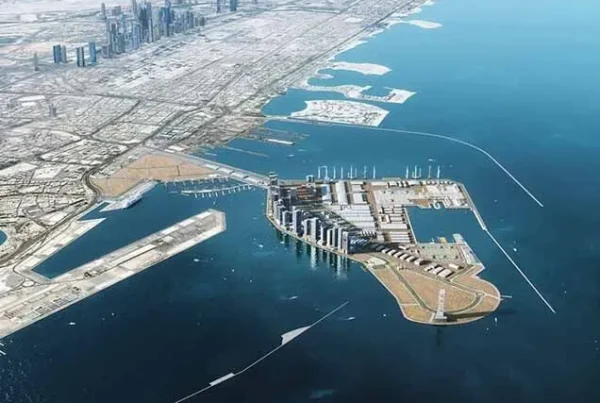
As an example, Dubai Islands currently experiences higher-than-average noise levels due to the air traffic from Dubai International Airport (DXB). This factor becomes particularly important when you consider the timing—projects expected to complete by 2026 will still experience several years of airport noise before the planned shift of air traffic to Al Maktoum Airport in Dubai South.
Our goal as advisors is not to discourage investment but rather to provide comprehensive, three-dimensional research that allows you to make informed decisions aligned with your personal comfort levels and investment strategies.
Dubai Islands: Current Noise Challenges
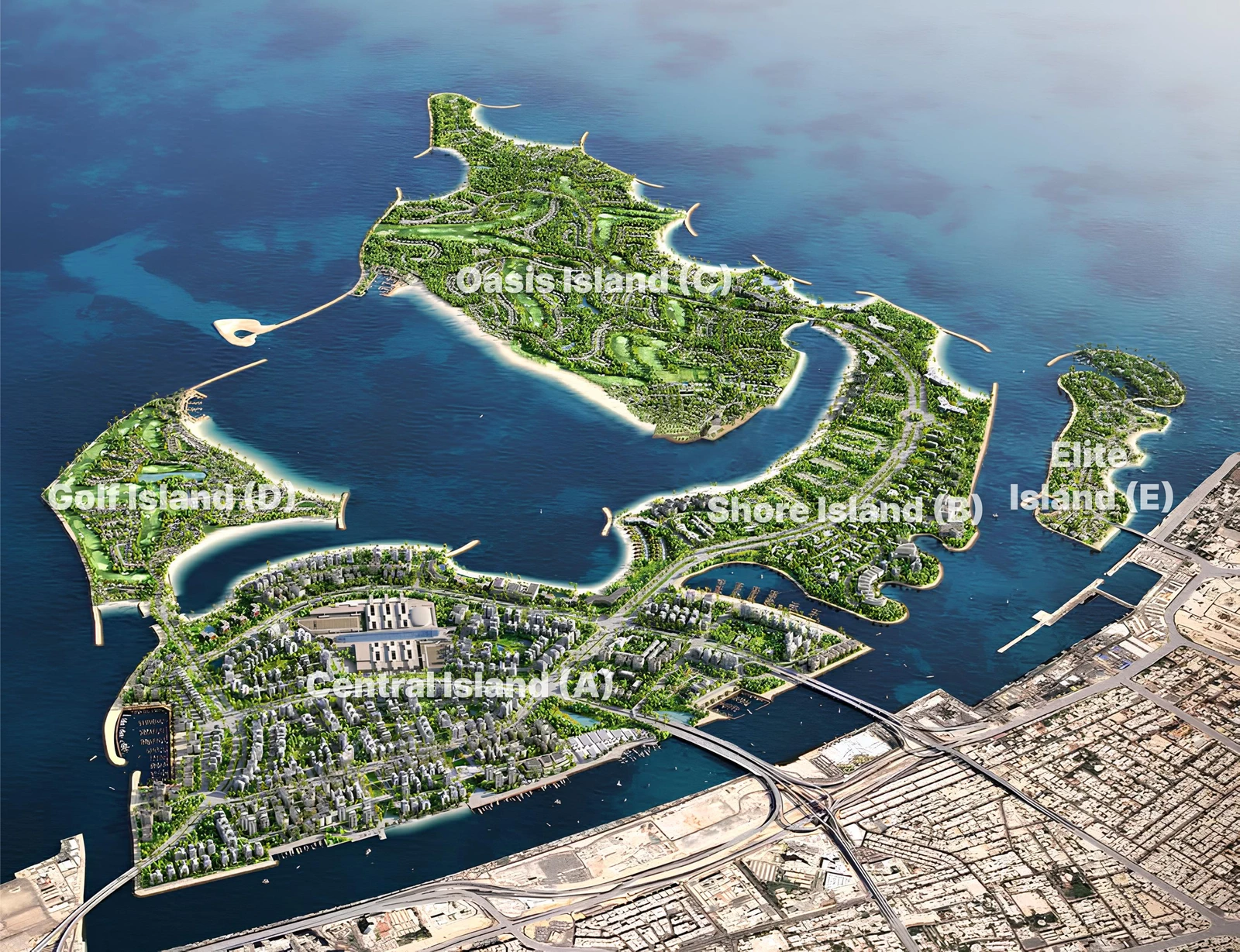
Dubai Islands is one of the most talked-about emerging locations in the city’s real estate scene—and for good reason. It’s a waterfront development that promises luxury living, beautiful views, and exciting potential. But like any investment, it’s important to consider all sides of the equation, not just the highlights you’ll see in a marketing brochure.
One factor that often flies under the radar is air traffic noise. At present, a significant portion of Dubai Islands falls under the flight paths from Dubai International Airport (DXB). According to public noise maps, many zones in this area experience elevated noise levels throughout the day and night due to constant overhead flights.
Now, the long-term plan is for Dubai’s main aviation hub to eventually shift to Al Maktoum International Airport in Dubai South, which is expected to become the largest airport in the world. This move will gradually reduce air traffic—and therefore noise—over Dubai Islands. However, there’s currently no fixed date for this full transition. Realistically, DXB will continue to operate at high capacity until at least 2030.
That means a project scheduled for completion in 2026, for example, could still experience several years of persistent air traffic noise after handover. It’s not a deal-breaker—it’s simply a detail investors should be aware of when evaluating whether the timing of the investment aligns with their goals.
Dubai South: Preparing for the Future
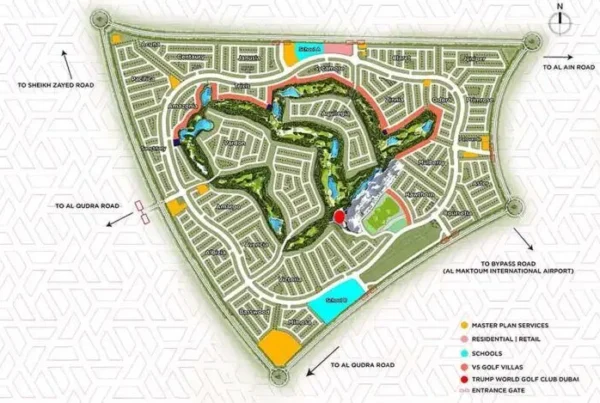
Dubai South is often referenced as part of Dubai’s long-term urban planning vision, anchored around the future expansion of Al Maktoum International Airport. The airport is expected to eventually become the city’s main aviation hub, absorbing most of the current air traffic from DXB. When this happens, the noise footprint that currently affects Dubai Islands will likely shift toward Dubai South.
At the moment, the area remains relatively quiet and largely underdeveloped. While some infrastructure is in place, many of the surrounding zones are still in early development stages. That’s not inherently a negative—but it does mean investors should be mindful of timing and context.
There’s a common assumption that getting in early guarantees appreciation. But the reality is, early entry into areas with minimal existing infrastructure and unclear timelines also comes with risk. Not every masterplan unfolds at the pace or scale initially envisioned, and investors need to weigh the potential benefits against the actual readiness of the location.
While the shift of air traffic will eventually bring new dynamics to the area—both in terms of activity and noise—it’s not yet clear how much of that will translate into residential demand or lifestyle appeal. These are important considerations, especially if you’re evaluating Dubai South primarily from a residential or end-user value perspective, rather than purely speculative play.
This is where thorough, fact-based research becomes essential. We don’t present these insights to steer clients away from a location—but rather to equip them with all the layers that developers might gloss over. Whether it’s Dubai South or any other area, transparency and timing make all the difference.
Making Informed Decisions in Dubai Islands and Dubai South
The truth is, no property is perfect—every investment comes with trade-offs. What separates a good investment from a regrettable one is the quality of information you base your decision on. That’s why we’ve built our entire approach around bringing our clients everything they need to know—not just what’s convenient to share.
Dubai Islands and Dubai South are both being heavily marketed, but beneath the surface, the timing of infrastructure, the impact of future air traffic, and the surrounding environment all play a huge role in how your investment will perform.
Some buyers may prioritize being near the water and are happy to wait out the temporary noise from DXB, knowing it will eventually be rerouted. Others may prefer a more subdued location now, even if the future development timeline is slower or less certain.
There’s no one-size-fits-all answer—but there is a better way to evaluate what’s right for you: by looking beyond the sales pitch and weighing the full context.
If this is the level of insight you want behind your next move, you’ll love what we share in our next webinar session.