
Most people have no idea how little true Dubai waterfront is actually available.
Yes, Dubai has built a reputation as a city of coastline dreams. Palm Jumeirah, the Marina, even Dubai Creek Harbour—they’ve all been branded, marketed, and sold as “waterfront.” But when we talk about real, open-sea, beachfront properties that foreigners can own, it’s a different ball game entirely.
The term “Dubai Waterfront” gets thrown around casually, but the actual oceanfront real estate—freehold, with private beach access or open Gulf views—is a fraction of what people imagine.
And the demand? Off the charts.
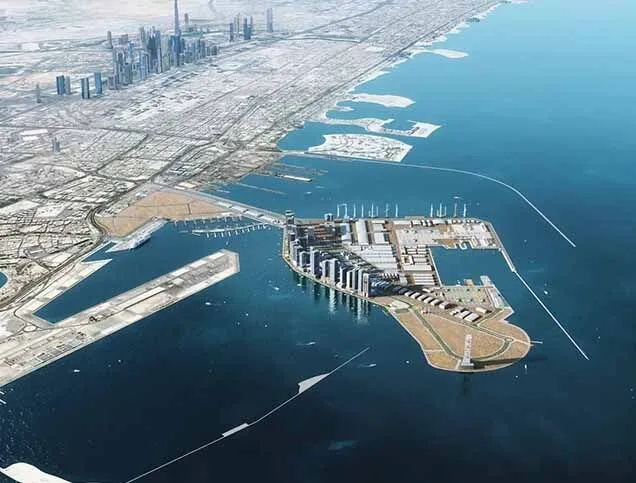
Just last week, Joarli and I were at a launch in Dubai Maritime City. The place was calm at first—agents sipping coffee, being courteous. Then the developer dropped the inventory. Within minutes, the place turned into a scene from Wall Street on a meltdown day. Agents yelling into their phones, elbowing past each other, chasing units like they were made of gold. It was chaos.
We snagged one for our client in the end—but it was a fight. Because in this market, the real waterfront isn’t just rare. It’s competitive.
That’s why this post is so important—so you actually understand what’s available, what’s not, and where the smart money is going.
IF YOU ARE READY TO BUY AN INVESTMENT IN DUBAI, YOU MUST WATCH THIS FIRST – CLAIM YOUR SPOT FOR THE DUBAI INVESTMENT WEBINAR
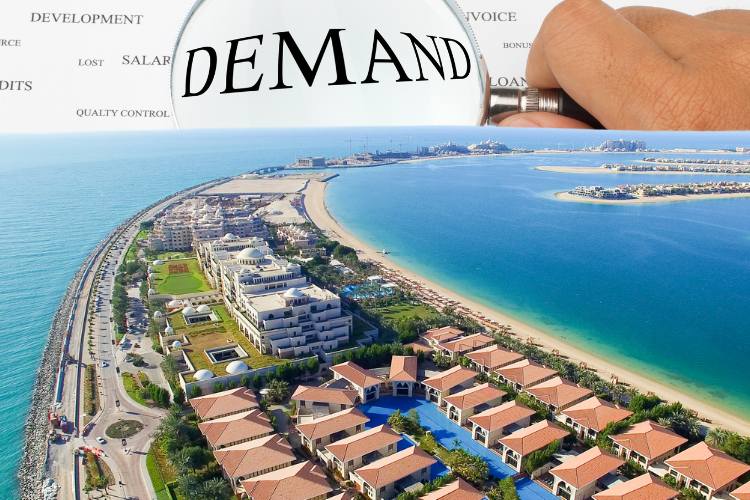
The Brutal Reality — Only a Sliver Is Truly Oceanfront and Available
Let’s break this down.
Dubai has around 38–39 million square meters of freehold oceanfront land—land that foreigners can legally own, right on the open sea.
Sounds like a lot, right?
Now here’s the kicker:
- Palm Jebel Ali: ~13.4 million m²
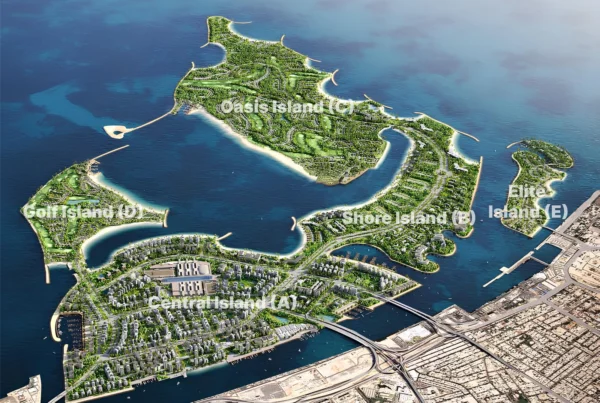
- Dubai Islands: ~17 million m²
- Combined, that’s ~30.4 million m², or roughly 78% of the total oceanfront supply.
But here’s the problem:
Almost none of that will be ready before 2030.
These aren’t quick builds. These are decade-long mega-projects. Think roads, sewage systems, power stations, bridges. Think years of prep before units even start delivering keys.
Sure, Palm Jebel Ali just relaunched. Sure, Dubai Islands is getting some traction. But the actual handovers? Realistically, they’ll start trickling in around 2028–2030—and full development could stretch into the late 2030s.
Now let’s do the math for what that means today:
✅ CALCULATION: What’s Likely to Deliver Before 2030
- Total freehold seafront land: ~39 million m²
- Land tied up in Palm Jebel Ali + Dubai Islands: ~30.4 million m²
- Leftover land (from Palm Jumeirah, Jumeirah Bay, Pearl Jumeirah, Emaar Beachfront, etc.): ~8.6 million m²
- Of that 8.6 million m², roughly 80–85% is already developed or under construction
Which means:
Only 15–20% of 8.6 million m² = ~1.3 to 1.7 million m²
That’s the actual supply of real, oceanfront land likely to be ready before 2030.
✅ 1.3 million m² ÷ 39 million m² = ~3.3%
Let that sink in:
Only about 3% of Dubai’s total oceanfront land will be ready before 2030.
Not 80%. Not 50%. Just 3.
So if you’re looking to move in, rent out, or resell within the next 5 years… the window is tiny. The race isn’t just on—it’s halfway over.
A Tale from the Frontlines — What Happens at a Dubai Waterfront Launch
Let me paint a picture for you.
It’s a Tuesday morning in Dubai Maritime City. Sunny, warm, and deceptively calm.
Joarli and I arrive early—just another day in the field. We’re at the launch of a new tower with real ocean views, and we know what’s about to happen. We’ve been here before.
At first, it feels like a networking brunch. Agents politely shaking hands, sipping coffee, whispering things like, “Let’s help each other today.” Some even offer to swap units “if needed.”
Then the inventory goes live.
And the whole room flips.
Phones are out, calls are being screamed into headsets, people are sprinting between tables trying to lock in a unit for their client. The same agents who were all smiles 30 minutes ago? Now shouting across the room, pushing past one another, promising the same unit to three different buyers.
One guy nearly body-checked another over a front-facing 2-bedroom.
That’s the Dubai waterfront today: scarcity-fueled chaos.
We got a unit for our client—barely. If we had been five minutes slower, they would’ve missed it entirely.
Because the reality is, these units don’t wait. They vanish the moment they appear.
And that’s not just a story—it’s a warning.
This market moves fast. Scarcity is real. And the people who wait around for “the next launch” are the ones who get priced out when it finally happens.
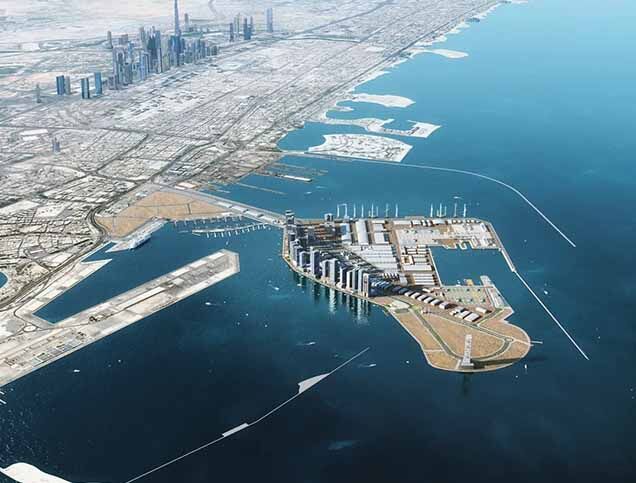
Palm Jebel Ali and Dubai Islands — Massive Projects That Won’t Help You (Yet)
Let’s talk about the two elephants in the room.
Palm Jebel Ali and Dubai Islands are breathtaking projects—on paper. Combined, they make up over 30 million square meters of seafront land. That’s nearly 80% of all the freehold oceanfront land Dubai has to offer.
And yes, they’ve been relaunched with energy. There are villas being marketed, brochures being shared, and hype all over the place.
But here’s the catch: they’re still in early-stage development. Roads, utilities, sewage systems—these things take years. Even with Dubai’s speed, full-scale delivery is a long game.
You might see a few handovers by 2028. But to have actual communities, infrastructure, retail, and resale value? That’s closer to 2030 and beyond.
So while investors are speculating early, people who want to enjoy the beach, rent it out, or see capital appreciation before 2030 are looking elsewhere.
And that “elsewhere” is getting smaller by the day.
Why True Dubai Waterfront Is Becoming Most Scarce Asset Class
Real beachfront in Dubai is no longer just a luxury—it’s becoming a finite asset class.
We’re not talking about speculative towers in random parts of town. We’re talking about open Gulf views, sandy toes, yacht marinas, and sky-high demand from international buyers.
And here’s the thing: the supply isn’t just limited—it’s structurally capped.
The government has placed a moratorium on new offshore reclamation. That means no more artificial islands until strict environmental reviews are done. So once Palm Jebel Ali and Dubai Islands are built, that’s it. The coastline isn’t getting any longer.
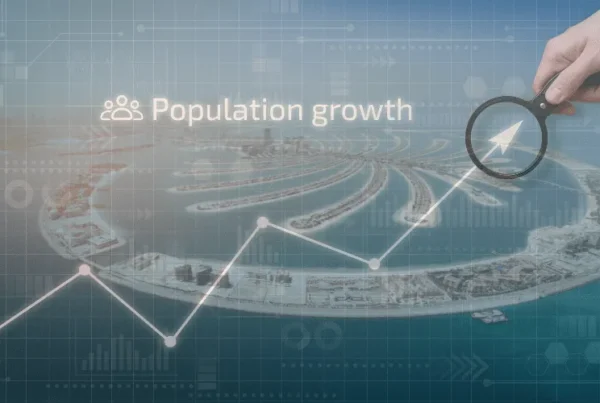
Meanwhile, population growth is projected to hit 5.8 million residents by 2040—and global investor demand isn’t slowing down.
The result? You’ve got a flood of high-net-worth buyers, luxury developers racing to complete, and only a sliver of land left with actual ocean frontage.
Waterfront in Dubai is no longer a trend. It’s a competition.
FOMO Is Real — You Either Act or Watch Others Get Rich
Let’s be blunt.
There’s no longer a question of if Dubai’s true seafront will become one of the most valuable asset classes in the world. That part’s inevitable.
The only question now is—will you own a piece of it before it’s gone?
Because while the city may look like it’s constantly expanding, the Dubai 2040 Urban Master Plan has drawn some hard lines. A moratorium is now in place on offshore reclamation—no more new islands unless it’s for environmental restoration. That means Palm Jebel Ali, Dubai Islands, and the existing reclaimed coastline are it.
You can read it yourself in the official Dubai 2040 Plan Executive Summary.
So when people say “I’ll wait until the next project,” we quietly mark the calendar for when they’ll be priced out.
You don’t have to be one of them.
There are still units available. Still deals to be had. Still money to be made—if you move before the market moves without you.
Which brings us to the last step…
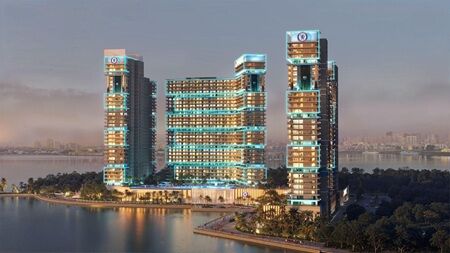
Dubai Waterfront – Why Only 3% of It Is Available
You’ve seen the numbers. You understand the timeline. And by now, it should be crystal clear:
Dubai’s real waterfront isn’t expanding anytime soon. The supply that matters is already here—and it’s vanishing fast.
So, what do you do?
You move with speed and clarity. You don’t wait for 2030. You look at what’s available now in Palm Jumeirah, Emaar Beachfront, Jumeirah Bay, and select towers in Maritime City. These are the zones where you can actually touch the water, see the returns, or move in before this entire asset class becomes out of reach.
We’re breaking down these exact opportunities—what’s still left, what’s overhyped, and what’s actually worth your money—in our next live session.
If you’re serious about owning seafront in Dubai, or you just want to see how people are turning that scarcity into profit, register for the webinar here: